
News
Google Health invests in Flo Health: Fitbit syncing starts in early 2027
Shared wearable data aims to improve cycle predictions and symptom insights

- October 13, 2026
- Updated: October 13, 2026 at 8:52 AM
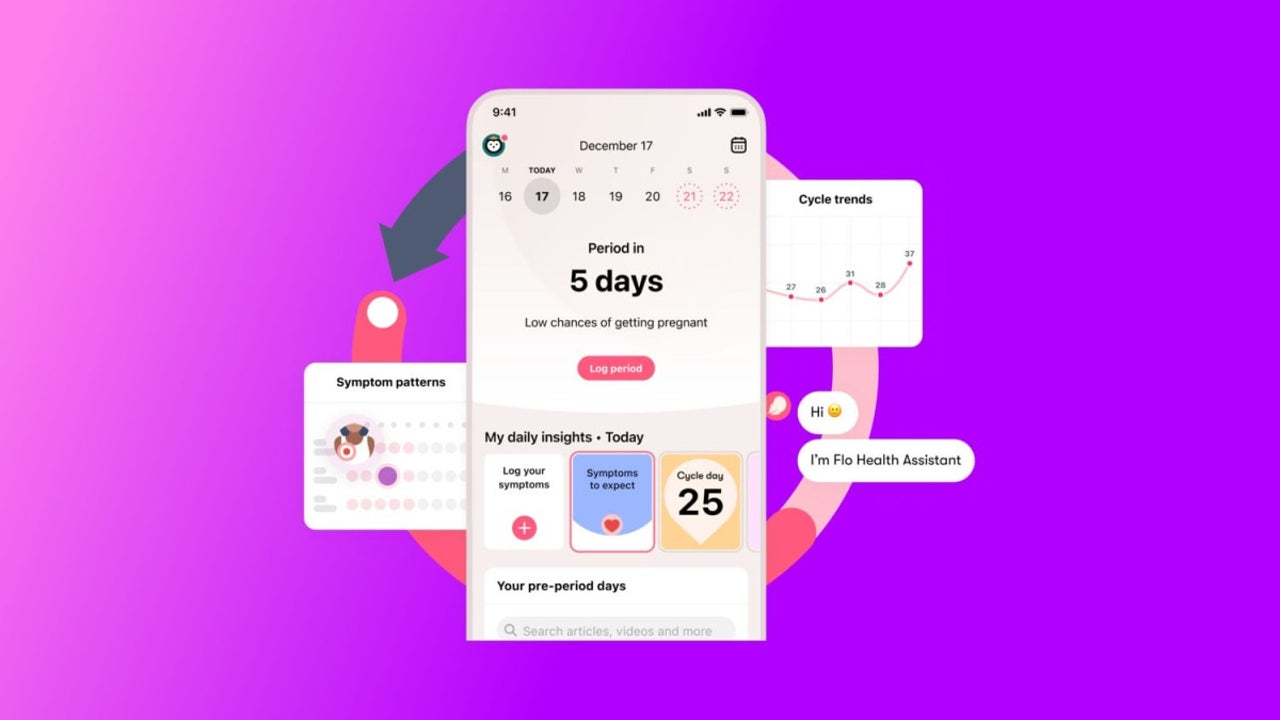
Google Health is investing in Flo Health, the period and reproductive health app, through a multi-year partnership. Google says the deal will bring opt-in women’s health syncing to Google Health and compatible Google wearables starting in early 2027.

If you choose to turn it on, you’ll be able to send Fitbit and Google Health data to Flo, including sleep, heart rate, skin temperature, and respiratory rate. The idea is better cycle predictions and more useful symptom insights. Flo insights will also show up inside Google Health and Google Health Coach, with support meant to follow users from their first period through pregnancy and perimenopause.
For people who already use Flo or Google’s wearables, this one deserves a close look. Flo says it reaches 500 million users and 80 million women a month, and both companies say more is coming: co-branded products, plus research into hormone-related changes, perimenopause, and PCOS. There’s also the privacy history hanging over it. Flo’s 2021 FTC settlement is part of that story, as is the companies’ recent $56 million class-action settlement, with Google paying $48 million and Flo Health $8 million. Both companies denied wrongdoing.
You can’t use the integration yet. Google says it’s coming in early 2027 across Flo Health, Google Health, Google Health Coach, and compatible Fitbit and Google wearables. The companies also say it will require separate consent, and that shared Flo Health data won’t be used for ads, sold to third parties, or opened up to developers.

Keep up with Softonic
Get our latest tech news first, wherever you read.
Manuel Bosque covers software at Softonic: desktop programs, productivity tools and the small utilities that solve one problem well. His approach is practical — what a program actually does, what it asks in return and who it is for — which is why he distrusts feature lists and prefers to test. He is part of the team that decides how software gets covered on the site, and works daily with AI tools applied to editorial production.
Latest from Manuel Bosque
You may also like
- News
Tech layoffs in 2026 update: 206,000 jobs cut worldwide
Read more
 News
Apple Intelligence clears China hurdle: iPad and Mac approved ahead of December rollout
Read more
 News
Grok now says Elon Musk replied to a Nazi account on X
Read more
 News
Samsung Galaxy S27 leaks: Pro and Ultra may dominate the lineup
Read more
 News
Elden Ring: Path of the Cardinal Sin ends with Melina art, not DLC
Read more
 News
Xbox Series X is still worth buying in 2026: 4K power, Game Pass value
Read more