
News
Google starts replacing Assistant on Android: Gemini becomes default
Mandatory via September app updates; Home and Nest stay on Assistant

- September 29, 2026
- Updated: September 29, 2026 at 9:48 AM
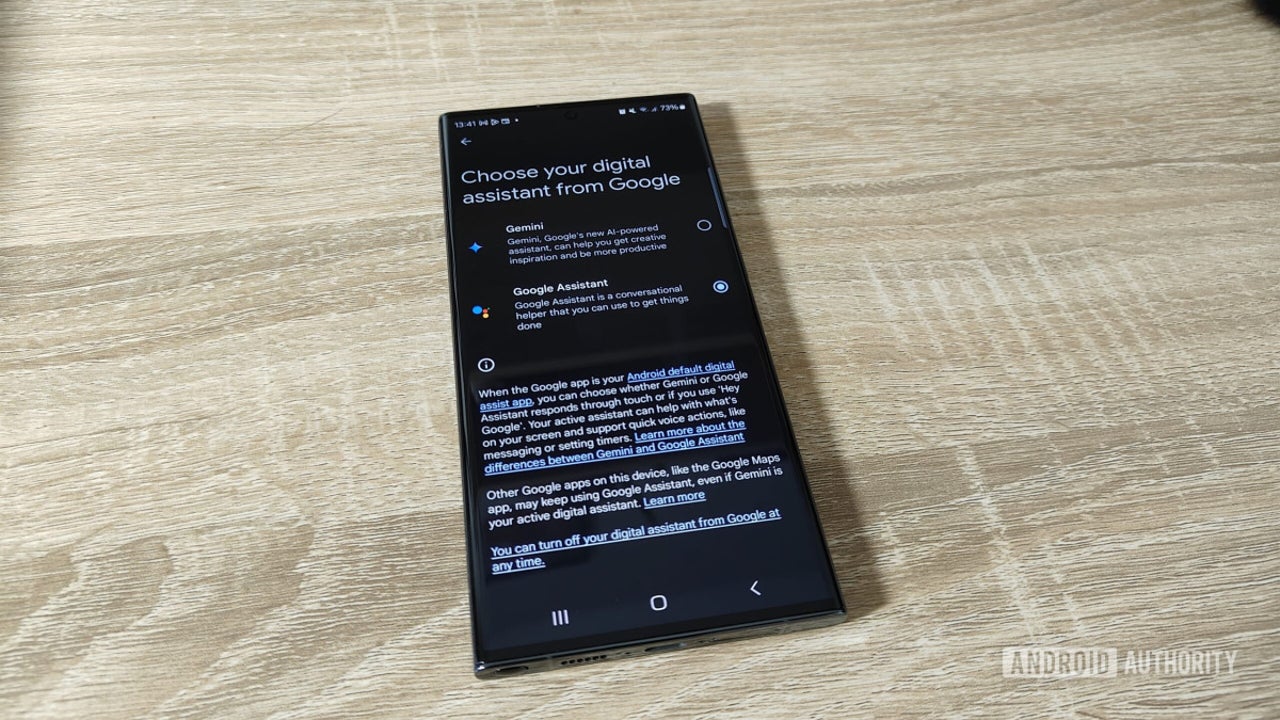
Google has started swapping out Google Assistant for Gemini on Android phones and tablets. The change became mandatory through Google app updates starting September 3 and 4, 2026. It first showed up in the US and Europe, and for some people the clearest sign is simple: the “Switch to Google Assistant” option is gone. The move also reaches Wear OS watches, earbuds, headphones, and Android Auto. Google Home and Nest devices, at least for now, are still staying on Google Assistant.
So Gemini is now becoming the default across Google’s mobile lineup. That said, plenty of users think Assistant handled the everyday stuff better: smart home controls, routines, timers, calls, and messages. Gemini has its strengths. It’s better at summaries, brainstorming, and drafting. But for basic commands, people say it feels slower, and it still falls short with contacts, some smart home tasks, offline commands, and Interpreter Mode, which now lives in Google Translate.
If what you want is fast voice control, this update may not feel like much of an upgrade, even with Google pushing Gemini hard. The company said Gemini had about 950 million active users in Q2 2026, and it accounted for 27.9% of chatbot web traffic in May. Even so, the rollout picture is murkier in Asia, Africa, and Latin America, and the same goes for non-English use or situations where accessibility features matter a lot.
You’ll get the change through Google app updates on Android.
Choose Softonic on Google and you'll see more of our articles in Top Stories, AI Overviews and AI Mode.
Manuel Bosque covers software at Softonic: desktop programs, productivity tools and the small utilities that solve one problem well. His approach is practical — what a program actually does, what it asks in return and who it is for — which is why he distrusts feature lists and prefers to test. He is part of the team that decides how software gets covered on the site, and works daily with AI tools applied to editorial production.
Latest from Manuel Bosque
- White House network appeared as residential proxy exit, researchers say
- Apple confirms $7.5 billion bond sale: orders top $30 billion
- Alphabet discloses Qualcomm stake: nearly 3 million shares worth $547.9 million
- Nvidia reportedly eyes 130 mini data centers: former telecom sites could speed AI expansion
You may also like
 News
House of the Dragon is officially back on November 19 — and fans will want to see what’s planned
Read more
 News
The Super Mario Bros. Movie is leaving Netflix on November 10
Read more
 News
James Bond shortlist expands: Robert Pattinson reportedly screen-tests
Read more
 News
Disclosure Day reaches Prime Video’s top 10: a hit, but not its biggest
Read more
 News
The Rocky Horror Picture Show is now on Prime Video: why fans are revisiting it
Read more
 News
This 8-episode Netflix thriller miniseries delivers peak psychological horror
Read more