
News
Titanium vs. aluminum phone frames: which is actually worth it?
Titanium adds durability, while aluminum stays cooler and costs less

- September 16, 2026
- Updated: September 16, 2026 at 4:20 PM
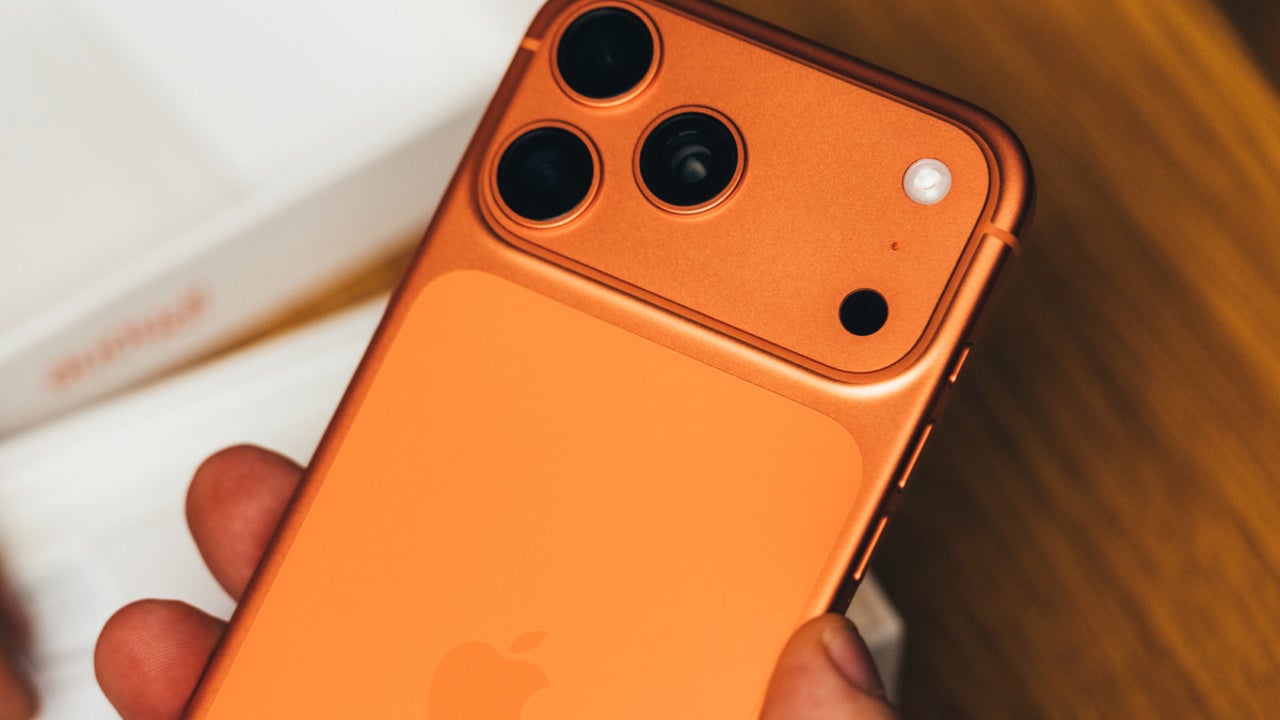
Titanium-framed flagship phones are showing up in bigger numbers now, and they come with the same familiar trade-off against aluminum. Titanium is usually stronger and does a better job resisting impacts, scratches, dents, and corrosion. It also has a high strength-to-weight ratio, which gives brands an easy way to sell a phone as tougher and more premium. Aluminum, though, is cheaper, easier to machine, far more common, and still the standard choice across regular and budget models.

Aluminum has another advantage: it dissipates heat better. That can help during gaming. Titanium has lower thermal conductivity, so it can hold onto heat more easily. Even so, cooling depends on the whole internal design, not just the frame. Real-world weight works the same way. Wall thickness, internal structure, and how much glass the phone uses all matter too, even if aluminum is lighter by density.
If you want a more durable, premium frame, titanium is worth it. If you care more about a lighter feel, lower cost, and better thermal performance, aluminum is the better choice. The longer-term effect on battery health and sustained performance, though, still isn’t clear.
Based on Apple’s and Samsung’s official specs, titanium is used in the Apple iPhone 15 Pro, Apple iPhone 15 Pro Max, and Samsung Galaxy S24 Ultra. The standard Apple iPhone 15 models, along with most mainstream phones, still use aluminum.
Manuel Bosque covers software at Softonic: desktop programs, productivity tools and the small utilities that solve one problem well. His approach is practical — what a program actually does, what it asks in return and who it is for — which is why he distrusts feature lists and prefers to test. He is part of the team that decides how software gets covered on the site, and works daily with AI tools applied to editorial production.
Latest from Manuel Bosque
You may also like
 News
Cyberpunk 2077 gets a live-action movie: Paramount teams up with CD Projekt Red
Read more
 News
Superman’s Man of Tomorrow gets a suit upgrade: leaked photos hint at a sharper 2027 look
Read more
 News
HVAC Systems Are Your Home’s Biggest Energy Draw: New Federal Data
Read more
 News
Marvel’s The Amazing Spider-Man #1000 is out now: Mysterio gets a disturbing new look
Read more
 News
Evil season 5 revival talks are confirmed: scheduling may block the return
Read more
 News
HBO’s Harry Potter reboot is now TV-14: a darker bet on older fans
Read more