Strategy Games Worth Playing for Tactical Minds
Update: Sep 7, 2026 · 66 apps reviewed
Strategy games reward planning, adaptation and timing more than raw reflexes. Some focus on fast real-time battles with unit control and resource management, while others slow things down with turn-based decisions, map control and long-term empire building. The strongest titles balance clear rules, meaningful choices and AI or multiplayer modes that keep every match unpredictable. When choosing a strategy game, look for depth without clutter, readable interfaces, and a pace that matches how much thinking you want between moves. Good strategy games make every decision feel costly, and every victory feel earned.

Top programs about Strategiegames
- Editor's Choice4
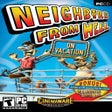
Neighbours from Hell 2: On Vacation is a strategy game where players engage in humorous pranks against a troublesome neighbor. Set on a cruise…
- 4
DEATH NOTE Killer Within is a premium strategy game where players dive into a gripping social deduction experience. Drawing inspiration from the beloved manga…
- 4
Double Dealers is an exciting auction game designed for 3 to 6 players, focusing on bluffing, deception, and manipulation. Each round presents players with…
- 3.4
5 reviews
PlateUp! is a premium cooperative restaurant management game that players can use to supervise their very own professional kitchen. Each location will need to…
- 4.2
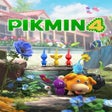
Pikmin 4 is a strategy game for Nintendo Switch that invites players to explore a vibrant alien world with the help of charming plantlike…
- Download for Windows
Other platforms
4.1Incremental tower defense with deep build variety
- Build and upgrade towers across each defensive run
- Experiment with synergies to shape every strategy
- Refund upgrades freely to pivot mid-run
- Unlock a deep meta-progression tree between runs
Ideal for
- Android strategy fans
- Replayable run-based sessions
- Tower build experimenters
Strategic Depth
8 / 10Complexity of decisions across resources, tech, diplomacy, and unit management.Map & Scenario Design
8 / 10Quality and variety of maps, campaigns, and mission replayability.AI & Balance
6 / 10How challenging the AI is and how balanced factions feel in competitive play.
Outhold stands out for its flexible upgrade refunds and layered tower synergies, which give each run real strategic room to breathe. The trade-off is that its appeal is tightly focused on incremental tower defense rather than broad strategy variety.
Jefferson Betaizar - 5
3 reviews
Transport Giant is a full version Windows game, belonging to the category PC games with subcategory Strategy. With Transport Giant, you'll definitely have to…
- 4.5
Synergism is a free strategy game developed by Platonic and Khafra. It’s built around the mathematical elegance of compounding mechanics. What begins with a…