Puzzle (1820 programs)
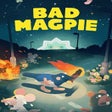
Pros: 159 unique animals deliver deep collection variety. Synergy system with 27 snacks and 100 souvenirs enables massive combos. Seeded Runs and weekly events support competitive score challenges.
Cons: Primarily single-player; competitive play limited to Seeded Runs. Eight difficulty tiers include harsh modifiers in 'Tough Challenges'. Minimum specs require a quad-core CPU and 8 GB RAM.
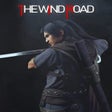
Pros: Authentic Silk Road atmosphere and period-inspired environments. Over sixty martial arts techniques to learn and combine. Meditation-based internal Qi system ties preparation to combat. Branching narrative paths change story outcomes and choices.
Cons: Technical bugs reported at launch. Cumbersome inventory screens and awkward menu flows. Translation inconsistencies in interface and subtitles. Gamepad navigation sometimes feels less responsive than keyboard.
Pros: Combat-free design supports peaceful, family-friendly play. Eight distinct biomes provide varied environments to explore. Professions and crafting support long-term progression and goals.
Cons: Activity loop can feel repetitive due to fetch-style tasks. Limited challenge for players seeking mechanical depth. Progression depends on collection rather than strategic systems.
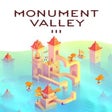
Pros: Escher-inspired optical puzzles that reward perspective shifts. Sailing mechanic enables non-linear island navigation and discovery. Minimalist art paired with a reactive soundtrack creates a meditative mood.
Cons: Puzzles lean accessible, offering limited challenge for hardcore solvers. Solo narrative focus means no multiplayer or cooperative options.
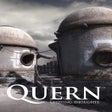
Pros: Hyper-detailed industrial environments that reward close observation. Non-violent tension produced by environmental hazards and survival elements. Non-linear routes and multiple endings encourage replay and exploration. Educational focus highlights infrastructure consequences and maintenance.
Cons: Deliberate pacing may frustrate players seeking fast-paced action. Complex mechanical and electrical puzzles can stall progress for some. Completionist runs can exceed thirty hours, requiring long sessions.
Pros: Card-table encounters tied to a physical cabin increase narrative stakes. Kaycee’s Mod converts the opening act into an endless roguelike. Lo-fi visuals and oppressive sound design produce sustained unease. Permanent upgrades unlocked by puzzles extend runs and strategy options.
Cons: Shifting rules and presentation can frustrate purist deckbuilder players. Narrative detours interrupt straightforward, match-focused sessions. Environmental puzzle dependence slows players who prefer pure card combat. Requires patience; investigative design demands attention to detail.
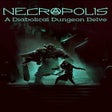
Pros: Procedurally generated dungeons make each run different. Four-player drop-in/drop-out co-op supports group play without restarts. Codexes provide permanent passive progression between runs. Distinct low-poly art and sarcastic Brazen Head narration set tone.
Cons: Player reports cite repetitive combat loops in extended play. Limited environmental variety in later stages reduces freshness. Technical issues were reported at launch.
Pros: Physics-driven puzzles support multiple intentional solutions. High object interactivity allows burning, breaking, combining items. Silent, expressive storytelling through animation and environment. Painterly isometric pixelated visuals give the world character.
Cons: Absence of text or dialogue can leave objectives ambiguous. Cartoon logic sometimes produces unpredictable puzzle outcomes. Non-linear layout can obscure progression for direction-seeking players.
Pros: Art-directed underwater environments evoke a moving painting aesthetic. Orchestral score by Austin Wintory synchronized with player progress. Procedural schools of fish create emergent, lifelike ecosystem interactions. Absence of fail states supports relaxed, uninterrupted exploration.
Cons: Short main story, typically 1.5–3 hours. Minimal gameplay complexity for players seeking puzzles. Limited long-term objectives beyond exploration and observation.
Pros: Asymmetrical cooperative puzzles demand real player communication. Recognized by BAFTA and IndieCade for cooperative design. Hand-drawn Scandinavian-inspired art creates a spooky mood. Cross-platform support across PC, mobile, and Switch.
Cons: Average playtime around 2.5 hours, relatively brief. Each participant must own their own copy to play. No single-player option, strictly two-player experience. Experience depends heavily on partner communication.
Pros: Space Dive mechanic ties puzzles to character psychology. Detailed pixel art evokes a vivid 1990s Indonesian town. Emotive original soundtrack by Masdito 'Ittou' Bachtiar. Main story length around 10–12 hours, with extra collectibles.
Cons: Heavy mental-health themes require emotional preparedness; content warning present. Strictly single-player, so no cooperative or competitive modes. Completionist route extends playtime significantly for collectors.
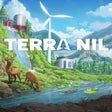
Pros: Reverses city-building goals to focus on ecosystem recovery. Procedural generation produces different landscapes each playthrough. Hand-painted visuals with a reactive soundscape enhance atmosphere.
Cons: Leaf-based resources demand tight economic planning. Final recycling phase requires careful timing to avoid failure. Deliberate, slow pacing may not suit action-oriented players.
Pros: Tactile mouse-based repair mechanics that mimic manual restoration. Fully voice-acted vignettes centered on character relationships. Hand-painted impressionist visuals with an 1980s-inspired soundtrack. Short single-session length fits casual play patterns.
Cons: Concise 1.5–2 hour runtime limits long-term engagement. Puzzles are intentionally simple, with limited mechanical depth. Replayability relies on narrative interest rather than new challenges.
Pros: Over 100 handcrafted puzzles spanning logic, mathematics, pattern recognition, and observation. Non-linear hotel exploration lets players tackle riddles in any order. Randomized puzzle variables prevent direct walkthrough solutions. Noir visual blend of 3D, 2D vector art, and photographic textures.
Cons: Zero hint system leaves new players without in-game guidance. Extensive note-taking recommended, slowing casual play sessions. Fixed camera angles occasionally hide puzzle clues.
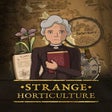
Pros: Tactile desk interactions support close observation and deduction. In-game encyclopedia enables logical, evidence-based plant identification. Branching narrative with multiple endings tied to player choices. No time pressure, encouraging calm, methodical sessions.
Cons: Dark occult themes may unsettle players preferring lighter fare. The Dread meter can interrupt flow with mandatory sanity puzzles. Deliberate, slow pacing may not suit action-oriented players.
Pros: Classic match-3 core loop with clear level objectives. Colorful visuals and animated gem combinations. Mouse-only option for simple point-and-click control. Level-based progression fits short or extended sessions.
Cons: Limited number of Steam user reviews makes reception unclear. Community warnings about high-value marketplace transactions. Broadband connection listed despite single-player focus.
Pros: Fixed-camera perspective faithfully reproduces classic survival horror framing. Reality-shift mechanic creates layered puzzle interactions. Complex, inventory-driven puzzles reward lateral thinking.
Cons: Brutal, close-range combat may frustrate action-oriented players. Performance caps on some platforms reduce frame rate fidelity. Technical bugs were reported at launch by critics.
Pros: Interconnected mechanics force creative recombination of earlier solutions. Built-in sketch notebook removes need for external note-taking. Multiple endings add consequence to late-game narrative choices. Typical playtime of 15–25 hours supports extended sessions.
Cons: No traditional hint system may frustrate less experienced puzzle players. Single-player only, no cooperative or competitive modes. Requires at least 3 GB RAM and a mid-range GPU.