Puzzle (808 programs)
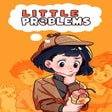
Pros: Ten self-contained cases focused on everyday mysteries. Hand-drawn art by Melinda evokes cozy, slice-of-life visuals. Mad Libs-style Solve page offers clear deductive mechanics. Hint system highlights incorrect blanks to keep pace relaxed.
Cons: No high-stakes or traditional crime investigations. Scope limited to short cases, not long-form campaigns. Branching cutscenes provide only modest narrative variation.
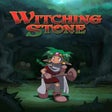
Pros: Time-travel mechanics used as an investigative puzzle device. Character-driven narrative centers a personal, emotional mystery. Richly detailed fantasy scenes with cinematic production values.
Cons: Narrative narrows scope compared with earlier world-saving plots. Puzzles and mini-games can become demanding in later sections. Nintendo Switch build requires about 1.4GB of storage.
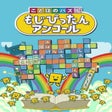
Pros: 130,000+ word dictionary, including modern slang and IT terminology. Online Battle Mode plus local head-to-head play. Over 800 stages spanning beginner to advanced difficulties. 600+ collectible items for Moji-kun avatar customization.
Cons: Game text and mechanics available only in Japanese. Large dictionary may overwhelm casual learners. Competitive mode favors players with strong Japanese vocabulary.
Pros: Tight single-session narrative designed to finish in two to three hours. Focus Point conversational inventory that unlocks new dialogue paths. Soundtrack by Dan Le Sac that supports tonal shifts. Nintendo Switch HD Rumble simulates train movement for atmosphere.
Cons: Entirely geo-locked to one subway car, limiting environmental variety. No combat or physical gameplay, all challenges are conversational. Largely linear progression with only one significant ending choice. Short length may disappoint players seeking long campaigns.
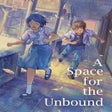
Pros: Authentic 1990s Indonesian setting and cultural atmosphere. Puzzles that reveal character psychology and emotional beats. Hand-crafted pixel art that conveys mood through palettes. Original soundtrack composed to enhance emotional and cultural tone.
Cons: Mature themes such as anxiety and depression may unsettle some players. Main story length of about 10–12 hours may feel brief for completionists. Deliberate, slow pacing may frustrate action-focused players.
Pros: Meditative ambient soundtrack supports concentration. Handcrafted levels introduce progressively complex puzzles. Varied board shapes and tile mechanics diversify challenges. No timers or scores preserves a low-pressure experience.
Cons: Nintendo Switch edition contains just over 60 handcrafted levels. Strictly single-player, no multiplayer or co-op modes. Minimal visuals limit appeal for players seeking graphical spectacle.
Pros: Implements professional Renju rules for tournament-style balance. Eight AI difficulty levels span beginner to advanced play. Fifty curated endgame puzzles for tactical training. Zen-style 3D boards with touch support for handheld play.
Cons: No online multiplayer on the Nintendo Switch version. Local multiplayer limited to two players only. Professional Renju rules add complexity to the learning curve.
Pros: Movement-driven 'bump' combat gives each move tactical weight. Over ten playable heroes change how runs play out. Procedural levels and Daily Challenge increase replay value. Faithful 8-bit art and praised soundtrack reinforce series identity.
Cons: Constant decision pace can overwhelm players seeking relaxed play. Challenging boss fights raise the stakes within short runs. Roguelite randomness can frustrate players wanting consistent progression.
Pros: Imaginative level design converts a house into five surreal fantasy worlds. Adaptive, self-learning AI increases tactical variety in hide-and-seek encounters. Narrative focus explores the Neighbor family's tragic backstory. Stylized, Pixar-like visuals contrast with darker thematic elements.
Cons: Nintendo Switch release reports sluggish controls and occasional performance bugs. Environmental puzzles gate progression, slowing players who prefer constant action.
Pros: Faithful Peanuts aesthetic blending soft 3D and classic character designs. Persona-switching mechanic supplies tool-based puzzle variety. Seventy-five collectible full-color Peanuts comic strips available in-game.
Cons: Gameplay simplicity may not satisfy older puzzle fans. Only four main neighborhood mysteries limit extended narrative scope. Squad selection limited to three companions reduces variety options.
Pros: Physics-based construction mechanics reward structural planning. Local four-player co-op on Switch for shared building sessions. Multiple control options: Joy-Con pointer and multi-touch input. Distinctive Tim Burton-esque art and original soundtrack by Kyle Gabler.
Cons: Limited number of level skips can trap players on hard puzzles. Some Switch users reported occasional Joy-Con recalibration needs.
Pros: Distinctive vaporwave visuals combining 3D worlds and 2D sprites. Prominent, genre-defining soundtrack by Barry 'Epoch' Topping. Investigative systems: Starlight assistant, evidence management, trial mechanics. Platforming and vertical exploration reward thorough searching.
Cons: Open-ended structure may unsettle players seeking a single solution. Deliberate pacing demands patience to locate scattered clues. Focused completion takes 10–15 hours; full exploration exceeds 30 hours.
Pros: Single-player 'co-op' mechanic forces dual-focus coordination. More than 50 handcrafted levels with gradual complexity. Bichromatic minimalist art in warm blue and orange tones. Ambient soundtrack by Sid Barnhoorn enhances the meditative mood.
Cons: Relatively short total playtime for players seeking long campaigns. Tutorial-free start may disorient players who prefer guided onboarding. Single-player focus limits social, shared-screen co-op options.
Pros: Distinctive, hand-crafted visual and audio presentation. Interactive soundtrack that responds to player movement. Episodic structure supports short or extended play sessions. Clearly non-violent, focused on environmental themes.
Cons: Main story length is modest, about four to six hours. Controls reported as finicky in some complex puzzle sections. Deliberate, slow pacing may not suit action-oriented players.
Pros: Hand-drawn 2D visuals across varied biomes. Spriteling Command enables elemental, task-based puzzle solving. Day/night cycle adds meaningful risk and planning.
Cons: Clear similarities to Pikmin may feel familiar to some players. Night mechanics force frequent retreats near campfires. Progression depends on resource consolidation, which slows some sessions.
Pros: Light‑based environmental puzzles that reward close observation. Sanity system that changes perception and puzzle presentation. Supports handheld, tabletop, and docked Switch play, plus controller compatibility.
Cons: Atmosphere‑first pacing may frustrate action‑oriented players. Emphasis on tension rather than frequent scares limits immediate thrills.