Strategy (216 programs)
Pros: Teleport Sword mechanic adds unique spatial puzzle to tactics. Fifty hand-crafted levels offer varied, bite-sized encounters. Lofi hip-hop soundtrack supports a relaxed play atmosphere.
Cons: Level-based progression limits long-form open campaign play. Pace favors deliberate planning over fast-action combat. Roguelite elements may not alter core puzzles significantly.
Pros: Villainous perspective converts actions into narrative consequence. Four distinct geniuses create meaningful replay incentives. Sandbox Mode lets players design without campaign limits. Trap synergy system encourages creative base defenses.
Cons: Late‑game progression can feel grind‑heavy, per several reviewers. Single‑player focus limits social or competitive play options. Complex management systems demand extended play sessions.
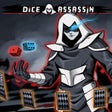
Pros: Customizable dice faces enable targeted build optimization. Physics-based rolling adds tactile unpredictability to outcomes. Three distinct classes create varied strategic roles. Garmonbozia meta-progression unlocks permanent upgrades between runs.
Cons: Campaign can feel repetitive during long play sessions. Steep mechanical depth may overwhelm casual players. Physics-based randomness can frustrate players seeking deterministic control.
Pros: Dice rolls tie movement and damage to a single, decisive resource. Short runs commonly complete in 30–60 minutes, good for trophies. Collectible skill cards add persistent strategic variety across runs. Minimalist pixel art keeps combat readable on console displays.
Cons: Steep learning curve until card synergies are mastered. No narrative campaign; emphasis is pure tactical runs. High-stakes positioning makes mistakes costly in later floors.
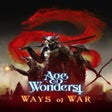
Pros: Oathsworn culture offers three sub-oaths that shape diplomatic and combat choices. Intrigue Happenings inject political, multi-stage narrative events into the campaign map. Four new Tomes of Magic expand research paths into distinct thematic schools. New faction physical forms add aesthetic variety to empire customization options.
Cons: Requires the base game to play. Some features need an active internet connection. Thematic focus may not suit players preferring neutral fantasy palettes.
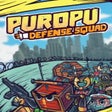
Pros: Handles hundreds of enemies and defences on screen without performance loss. Deep interaction between hero abilities and placed defences. 1–4 player online co-op with difficulty scaling. Procedurally influenced endless mode for high replayability.
Cons: Requires coordination to unlock full tactical potential. Progression leans on research and talent investment. Solo play demands broad mastery of hero roles.
Pros: Interactive stage devices add mechanical variety to puzzles. Free-roaming hub and hidden exhibits encourage exploration. Hand-drawn sci‑fi/noir art and dark-humor collectibles. Supports multiple languages for menus and subtitles.
Cons: Design favors precision, which can frustrate casual players. No onboarding tutorial is mentioned in the feature list. Feature set emphasizes solo play; no multiplayer noted.
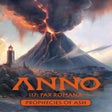
Pros: Cinis offers roughly twice the building space of standard large islands. Adds eruption, volcanic winter, and bloom cycles that affect planning. DLC integrates into existing savegames for campaign continuity. PS5 features a custom-built UI and controller navigation flows.
Cons: Some players found volcanic mechanics less atmospheric than early marketing suggested. Deep economic simulation increases micromanagement demands for casual sessions.
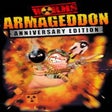
Pros: Includes over 55 classic weapons, including Holy Hand Grenade and Super Sheep. Single-player campaign with 40+ missions and dedicated training challenges. Cross-generation online matches supporting up to six players. Includes playable retro ports and archival bonus content.
Cons: Users reported absence of a zoom feature affecting battlefield readability. Some players noticed initial online connectivity hurdles.
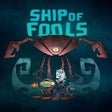
Pros: Designed specifically for two-player cooperative coordination. Over 100 trinkets enable varied combat synergies. Award-winning hand-drawn art and layered sound design. Hex-map navigation and sector bosses add strategic stakes.
Cons: Solo mode is significantly more challenging and less balanced. Requires constant coordination, which can frustrate casual duos. Procedural encounters introduce variable run volatility.
Pros: Advanced fluid simulation that changes how structures and flow interact. New Goo species provide varied problem-solving options. Hand-drawn art paired with a nearly two-hour orchestral soundtrack. Multiple solutions per level encourage experimentation and replay.
Cons: Steep, patience-demanding puzzles that may frustrate casual players. PS5-exclusive challenge levels raise completion complexity for some. Narrative spans huge timescales which can dilute immediate stakes.
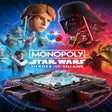
Pros: Team-based 2v2 and 3v3 modes with shared resources. Roster of 28 characters with 14 unique gameplay abilities. 22 high-fidelity 3D Star Wars dioramas for each property.
Cons: Deviation from classic Monopoly rules may unsettle purists. Fast-paced AI can require an adjustment period. Team focus reduces appeal for solo competitive players.
Pros: Charming hand-drawn 2D visuals that keep combat readable. Local split-screen co-op for two players. Minimalist controls emphasize high-level decision-making. Exploration uncovers hidden treasures and caves.
Cons: Picture-based tutorial offers limited onboarding for new players. Automated combat reduces direct control over fights. Some players report repetitive late-game waves. Seasonal shifts increase resource pressure in later play.
Pros: Intricate production chains spanning more than eighty products. Distinct VHS‑era 1980s aesthetic with a nostalgic soundtrack. PS5 release includes a user interface redesigned for controllers. Campaign with fifteen scenarios plus an expanded Sandbox Mode.
Cons: Steep learning curve that rewards patience and study. High micro-management demands for large, dense factory networks. Some critics report the console UI can feel clunky.
Pros: Physics-driven destruction creates unpredictable, memorable match outcomes. Supports offline play against AI-controlled bots for solo practice. Trapper Towers allow remote monitoring and tactical triggers. Customizable gear and trap types enable varied strategies.
Cons: Trap placement and counterplay present a noticeable learning curve. Focus on competitive matches may disappoint single-player campaign seekers. Chaotic physics can obscure tactical clarity at times.
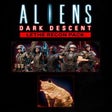
Pros: Jonesy the Cat provides a faithful nod to the original Alien film. Black Camo armor grants exclusive squad-wide visual options in barracks. Official assets match the game's dark, atmospheric art direction. Easy access through the Otago customization menu on PS5.
Cons: Strictly cosmetic content, it adds no new missions or gameplay systems. Jonesy is non-interactive and provides no combat benefit. Requires ownership of the base Aliens: Dark Descent game to use.
Pros: One hundred distinct AI difficulty levels for fine-grained progression. Dedicated Shogi Classroom that teaches rules and basic tactics. One hundred Tsume Shogi problems to train checkmate patterns. Customizable boards and easy-to-read piece styles for kanji learners.
Cons: Focuses on single-player and local play, not online matchmaking. Released for PlayStation 4, not a native PlayStation 5 port. Learning depth favors study over quick, casual matches.