
News
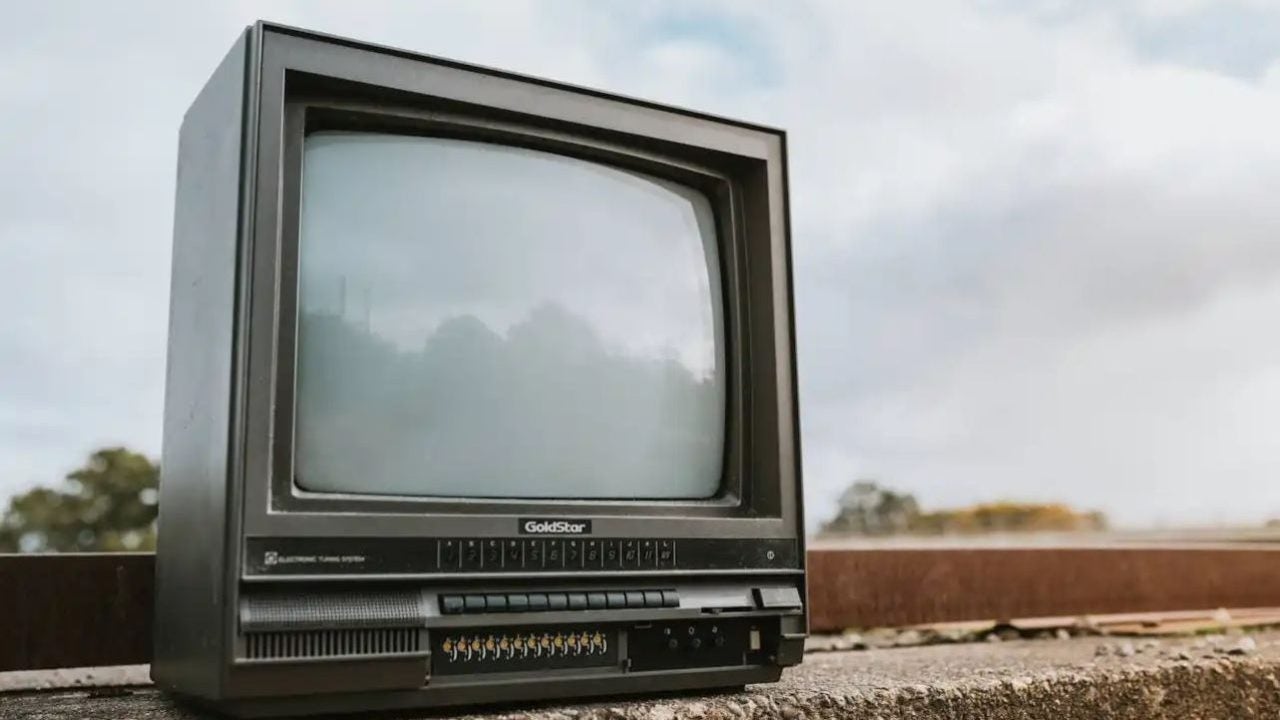
Traditional television has already started using ads with AI. And this is just the beginning
The beginning of the end, specifically

- December 3, 2025
- Updated: December 3, 2025 at 2:58 PM
In 2025, several artificial intelligence (AI) powered advertising platforms have emerged to facilitate the creation of ads for connected television (CTV), including Comcast’s Universal Ads and QuickFrame AI. These tools allow brands to produce and acquire ads more efficiently, diversifying the landscape of television advertising, which has traditionally been dominated by large advertisers.
PublicIAd
Spending on CTV advertising is projected to reach nearly $46 billion by 2028, surpassing spending on linear television, according to estimates from eMarketer. Mark Douglas, CEO of Mntn, mentioned that “CTV is now the fastest-growing segment in all of advertising, and shows no signs of slowing down.” However, the industry faces a significant challenge: despite the increase in CTV spending, it remains under-monetized, as much of the investment comes from a small number of large brands.
Universal Ads, officially launched in January of this year, allows brands not only to create their own ads but also to purchase them through an extensive network of partners, which includes platforms like Roku and Warner Bros. Discovery. This platform features an AI-powered video generator designed to help advertisers, especially small and medium-sized enterprises (SMEs), overcome the barriers they face in accessing premium advertising spaces.
On the other hand, QuickFrame AI promises to generate ready-to-use ads in just 12 minutes, which could facilitate the entry of SMEs into the world of television advertising. However, some analysts warn that this strategy could result in the cannibalization of spending that previously went to local television stations, suggesting that potential revenue does not necessarily translate into new money for the sector, as indicated by Brian Wieser of Madison and Wall.
Latest from Agencias
- The director of 'Wuthering Heights' wants it to be the 'Titanic' of a new generation
- 'The Night Agent' advances its release date and launches a spectacular trailer for its season 3
- Paramount believes that Warner is not being fair in its sales process… and that Netflix is going to take it away
- Hollywood se une para apoyar a Paul Dano tras las duras críticas de Quentin Tarantino
You may also like
 News
NewsThe director of 'Wuthering Heights' wants it to be the 'Titanic' of a new generation
Read more
 News
News'The Night Agent' advances its release date and launches a spectacular trailer for its season 3
Read more
 News
NewsParamount believes that Warner is not being fair in its sales process… and that Netflix is going to take it away
Read more
 News
NewsThe creators of one of the most famous indies in history may close their doors if their next game does not sell at least 200,000 copies
Read more
 News
NewsHollywood se une para apoyar a Paul Dano tras las duras críticas de Quentin Tarantino
Read more
 News
NewsDan Houser confirms how he wrote Red Dead Redemption 2: by reading a lot of Victorian literature
Read more