
News
Watch out! These Android apps contain viruses
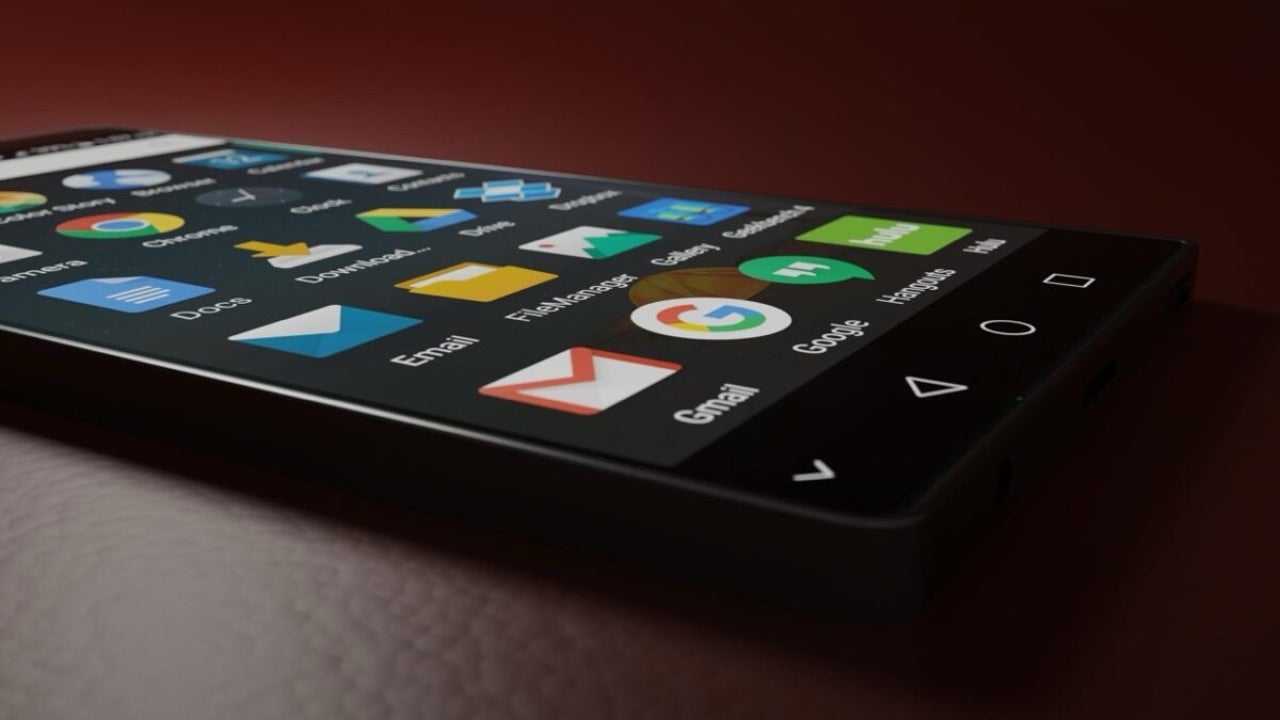
A list of Android apps infected with spyware has been exposed in a global government investigation. Users are urged to delete suspicious apps immediately.

- April 10, 2025
- Updated: July 1, 2025 at 9:54 PM
A recent joint investigation by several governments has exposed a concerning wave of Android apps infected with powerful spyware. The findings, led by agencies from countries including the UK, Germany, and Canada, reveal how these malicious apps are compromising user privacy on a global scale. The situation is so serious that governments themselves have stepped in to issue warnings—a rare but telling move.
Governments uncover trojans targeting Android users
The malicious apps are spreading two specific trojans: Moonshine and BadBazaar, both capable of granting remote control of the infected device. Once installed, these apps allow cybercriminals to access the camera, microphone, files, and even real-time location, putting user safety at serious risk. Although these attacks appear to be aimed at individuals with political links to China, any user could be affected by these threats.
These apps are not from Google Play, but they look like it
The infected applications are typically disguised as legitimate tools like PDF readers, chat apps or calculators, often mimicking names and icons of trusted apps such as Adobe Acrobat, GBWhatsApp or Signal. While they don’t originate from Google Play, their professional appearance tricks users into downloading them from third-party websites, where security is far more lax.
What users should do now
If you’ve recently installed apps outside of the official Google Play store, it’s time to act. Delete any suspicious apps immediately, especially those matching names like Free WiFi Pass, AppLock, or FlyGram. Experts urge users to avoid sideloading apps altogether, as this practice remains one of the most common infection vectors in the Android ecosystem.
Latest from Agencias
- What are the three things we are most looking forward to with the iPhone 18 Pro
- For Amazon Prime Video, this country is the most important in the world after the United States
- This way you can save a lot of time on your trips every time you use Google Maps
- This way you can make Crimson Desert look better on your PS5
You may also like
 News
NewsWhat are the three things we are most looking forward to with the iPhone 18 Pro
Read more
 News
NewsFor Amazon Prime Video, this country is the most important in the world after the United States
Read more
 News
NewsThis way you can save a lot of time on your trips every time you use Google Maps
Read more
 News
NewsThis way you can make Crimson Desert look better on your PS5
Read more
 News
NewsNetflix is about to lose one of the best sagas in its entire catalog: hurry before it slips away
Read more
 News
NewsValve has just set the sector on fire with a key change in Counter-Strike 2
Read more