
News
OpenAI is not only interested in us generating “spicy content”, but they also want us to do it correctly
The company is considering allowing explicit content generated by artificial intelligence.

- May 9, 2024
- Updated: July 1, 2025 at 11:32 PM
OpenAI unveiled a draft of its documentation called Model Spec this Wednesday, outlining the company’s intention to regulate the behavior of its artificial intelligences, including ChatGPT. Among the notable points is OpenAI’s consideration to regulate the production of pornographic content and other explicit materials, as their current policies prohibit such content.

According to the document, OpenAI is exploring the possibility of allowing the generation of NSFW content (an acronym for “not safe for work”) through its API and ChatGPT. Among the contents classified as NSFW in the document are erotica, extreme gore, unsolicited insults, and blasphemies.
Grace McGuire, spokesperson for OpenAI, stated to WIRED that Model Spec aims to bring transparency to the development process and obtain feedback from various stakeholders. However, she refused to provide specific details about the exploration of generating explicit content by the company.
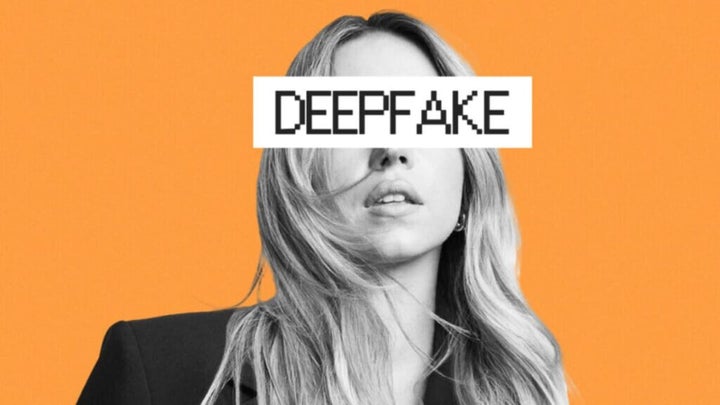
The possibility of OpenAI allowing explicit content has generated a lot of uncertainty, especially in the context of the rise of AI-generated pornography, such as deepfakes. These explicit videos or images, created with AI, depict porn actors and actresses whose faces have been replaced with real people without their consent, which can lead to situations of harassment and abuse.
Danielle Keats Citron, a professor at the University of Virginia School of Law, has expressed concern about this direction, pointing out the serious impacts that AI-generated explicit content can have on the privacy and security of affected individuals.
Although OpenAI’s policies prohibit identity impersonation without permission, the potential regulation for generating NSFW content raises many questions about the company’s ability to effectively moderate the malicious use of its tools. Microsoft had to deal with a similar problem, making a series of changes to its policies after it was confirmed that its generative AI had been used to create deepfake images of Taylor Swift that were distributed on Twitter.
Publicist and audiovisual producer in love with social networks. I spend more time thinking about which videogames I will play than playing them.
Latest from Pedro Domínguez
You may also like
 News
NewsGood news! Generation Z is increasingly going to the movie theaters… unlike the rest of the world
Read more
 News
NewsThe new Tekken champion is Japanese and is 92 years old
Read more
 News
NewsOne of the most successful movies of the year premieres on HBO Max
Read more
 News
NewsNaughty Dog is back at it: they are already crunching for their next game
Read more
 News
NewsPedro Almodovar returns with a new movie that is very Christmas-like
Read more
 News
NewsLarian Studios will hold an AMA to clarify their stance on AI early in the year
Read more