Games (10000 programs)
Pros: Two difficulty modes suit both story-focused and veteran puzzle players. Built-in 1-800-HINT telephone provides context-sensitive assistance. No-dead-ends design prevents permanent progress blockers. Full English voice acting with multilingual subtitles.
Cons: Meta-humour and fourth-wall jokes may undercut mystery tension. Verb-based controls echo classic design and may feel dated. Switching among five protagonists can fragment narrative momentum.
Pros: Hexagonal tile placement that rewards spatial planning and sequencing. Two modes: concise score runs and an unrestricted creative Sandbox. Six biomes add visual variety and biome-specific tiles. Low-poly art and ambient soundtrack foster a relaxing mood.
Cons: Design emphasizes visual, not deep economic, systems. Classic runs end when the deck empties, limiting long sessions.
Pros: Three-character platforming forces puzzle-like exploration and switching. Turn-based combat with active timing and up to twelve enemies. Power Flow board replaces grinding with item-based stat growth. Quad Pro Quo card game provides a full secondary gameplay loop.
Cons: Initial learning curve and dense tutorial information. Item-based progression may confuse players used to XP systems. Controller recommended for best experience; keyboard less optimal.
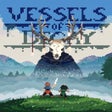
Pros: Handcrafted pixel art reinforces the game's melancholic atmosphere. Combat includes enemy-specific finishers that add visual and tactical reward. Deeply rooted Scandinavian folklore gives the world a distinctive cultural identity. Multi-stage boss encounters demand both reflexes and strategic thinking.
Cons: Players report technical bugs and control precision problems in some encounters. Combat precision demands may frustrate players seeking forgiving onboarding. Mixed user reception highlights uneven technical polish.
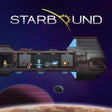
Pros: Seven playable races with distinct lore and customization. Active modding community expands content and gameplay options. Captureable creatures that can fight alongside the player. Ship and base systems enable detailed creative construction.
Cons: Sheer breadth of crafting and items can overwhelm new players. Open-ended structure offers less guidance for narrative-focused players. Long-term engagement demands substantial time investment.
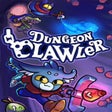
Pros: Claw-based combat replaces card draws with tactile, timing-based grabs. Deep item synergies and varied characters encourage experimental builds. Procedural dungeons plus an endless mode increase replay value.
Cons: Aiming-focused mechanics introduce unpredictability in critical turns. Physics-driven grabs can frustrate players preferring deterministic strategy. Hand-drawn aesthetic may not suit those seeking realistic visuals.
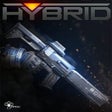
Pros: Procedurally generated maps keep each match unpredictable. Fully destructible terrain enables creative tactical play. Supports solo play with bots and 4v4 competitive matches. Jetpacks and grappling hooks enable vertical, fast-paced movement.
Cons: Smaller active player base can require bots to fill matches. Emphasis on fast, chaotic mobility can overwhelm new players. Standard matches are capped at eight participants.
Pros: Faithful exploration of darker European fairy tale traditions. Stained-glass-inspired, semi-realistic medieval illustration style. Branching structure with replay value through a rewind mechanic.
Cons: Contains mature themes, including incest references, unsuitable for younger players. Complex branching can overwhelm readers seeking linear narratives. Full playthrough completion requires sustained, time-consuming engagement.
Pros: Eighty levels across four volumes provide lengthy, episodic play. Infinite-lives design supports experimentation and practice. FAST engine improves sprite animation for CGA visuals. Notable example of early shareware-era design and Apogee lineage.
Cons: Graphics and audio reflect early PC limitations. Modern players may find level sequencing and design dated. macOS support depends on emulation or compatibility wrappers. Challenge requires patience and repeated attempts.
Pros: Detailed ground operations including refueling, loading, and maintenance. Infrastructure tools for runways, terminals, hangars, and radar upgrades. Progression system that scales local flights into international operations. Unpredictable emergency events add dynamic challenge.
Cons: Steam feedback notes technical bugs and stability issues. Steam reviews cite a steep or confusing learning curve.
Pros: Pill mutation system creates high-risk, high-reward run variety. More than twenty distinct weapons alter playstyles substantially. Procedurally generated dimensions keep encounters unpredictable each run.
Cons: Steep difficulty narrows appeal to challenge-focused players. Mac controller support may require Steam Input or driver adjustments. Large XP ladder rewards grind, extending time to major unlocks.
Pros: Seventy-five hand-crafted, physics-based puzzles for staged progression. Dual-rotation mechanic offers distinct structural and global manipulation. Original soundtrack enhances atmosphere with an on/off option. Move-count trophies encourage replay and optimization.
Cons: Escalating challenge may deter casual pick-up players. Minimalist presentation provides little narrative context. Trophy goals demand patience and careful planning.
Pros: Pattern-based building creates emergent defensive strategies. Dynamic, expanding enemy forces spatial thinking rather than fixed paths. Integrated level and tower editors extend replayability. Direct builder-robot control rewards active micromanagement.
Cons: Steep learning curve due to experimental construction mechanics. Design favors keyboard movement despite controller support. High precision requirement can frustrate casual tower defense fans.
Pros: Short match length suits quick play sessions. Local four-player support for shared-screen controller matches. Procedurally generated maps keep skirmishes varied. Four civilizations offer distinct tactical options.
Cons: Single-player campaign is brief, about one hour. Minimalist interface exposes fewer on-screen indicators.