Simulation (1749 programs)
Pros: Age evolution. Individuality of each character. Lots of puzzles to solve.
Cons: Requires patience.
Pros: Unpredictable physics make each run visually distinct. Replay system enables detailed review of crashes. Wide vehicle selection encourages experimentation. Slow-motion highlights accentuate significant impacts.
Cons: No narrative or campaign structure. Progression centers on vehicle unlocks only. Experience depends on enjoying spectacle over mechanics.
Pros: Branching narrative that leads to multiple endings. Hand-drawn artwork establishes a specific visual tone. Stat-based progression unlocks new management and dialogue options.
Cons: Explicit sexual content restricts audience to adults. Requires a 64-bit operating system for play. Developer focus on mature themes narrows general appeal.
Pros: Adds more than 15 water-based buildings for new offshore options. Introduces the 'Yacht or Not' scenario for maritime objectives. 'Tidal Power' edict adds renewable ocean energy policy.
Cons: Requires ownership of Tropico 6 base game. Focus on maritime play narrows appeal to established players. Adds space-management complexity to late-game layouts.
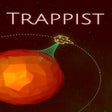
Pros: Uses published planetary measurements (mass, radius, orbital periods). Clean, minimalist interface oriented to study and presentation. Runs on most modern desktop hardware across major platforms. Positive reception in the indie simulation and educational community.
Cons: Limited to the TRAPPIST-1 system, not suitable for cross-system comparison. No native VR support for immersive viewing. Sandbox format lacks objectives for players seeking goal-driven play.
Pros: Crafting outcomes directly shape multiple endings. Time-based resource mechanics add strategic tension. Stylized visuals reinforce the game's claustrophobic tone. English and Japanese language support listed on store page.
Cons: Stalking-focused themes may discomfort many players. Time pressure reduces relaxation for cozy-crafting seekers. Niche yandere focus limits mainstream accessibility. Completion requires replaying branches tied to craft quality.
Pros: Multi-hand mechanic scales limb count beyond typical simulators. Physics-driven interactions make object responses feel believable. Sandbox mode enables free-form experimentation with the physics engine. Distinctive minimalist-surreal visuals create a contemplative atmosphere.
Cons: Screen-based only, no VR support. Focuses on mechanical challenges rather than a linear story. Requires stable CPU performance on macOS for multi-object physics. Escalating hand counts produce a steep learning curve.
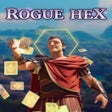
Pros: Procedural hex maps create unique tactical scenarios each run. Permadeath raises stakes, making decisions meaningful. Branching tech tree tailors tools to each playthrough.
Cons: Official store lists Windows while program info names Mac support. Single-player only limits cooperative or competitive multiplayer options. Short-run design reduces long-term campaign continuity.
Pros: Tracked personal histories give agency to individual villagers. Layered production chains enable meaningful economic depth. Procedural maps and seasonal change boost replayability.
Cons: High micromanagement requires significant time investment. Defensive events introduce sudden difficulty spikes. Long campaigns not ideal for quick-session players.
Pros: Easy to play. More than 100 levels. Fashion lovers would love this game. No Internet connection needed.
Cons: Can be a bit too long. Graphics are a bit cartoony. Not for fast-paced game lovers. Annoying pop-ups.
Pros: A mixture of 2D and 3D graphic elements. Beautiful hand-drawn illustrations. Atmospheric horror elements. Easy controls.
Cons: Story writing has a lot of holes in the jam version.