Strategy (1250 programs)
Pros: Mercenary-focused tactics emphasize positional decision-making. Multiple discrete levels create varied scenario designs. Retro 2D pixel art delivers clear, nostalgic presentation. Lightweight performance makes it accessible on modest hardware.
Cons: No multiplayer or cooperative modes available. Community feedback highlights repetitive gameplay loops. Some players report a need for deeper mechanics.
Pros: Supports battle configurations up to 372 pieces. Formation movement enables coordinated multi-piece Charges. Includes online and local multiplayer options. Tutorials and a rule-book are provided for onboarding.
Cons: Steep learning curve noted by players. Board can appear cluttered in large engagements. Large setups demand long sessions and patient planning.
Pros: Three distinct travel routes boost replayability. Retains classic puzzle-driven decision-making. Includes both point-and-click and original text-parser controls.
Cons: Voice acting and some animations can feel dated. Text-parser option increases initial learning curve. Single-player only, no multiplayer modes available.
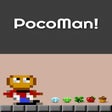
Pros: Deterministic Sokoban-style core rewards pure logical thinking. Hand-crafted levels that steadily increase in difficulty. Minimalist retro visuals with clear, unobtrusive interface. Undo and reset functions mitigate some dead-end frustration.
Cons: Single wrong moves can create unrecoverable positions. High difficulty may frustrate casual or time-limited players. Limited modes, strictly single-player puzzle progression. Requires a recent macOS for Steam compatibility.
Pros: Procedurally generated debris ensures varied, unpredictable playthroughs. Physics-based assembly lets stations serve defensive and offensive roles. Sandbox Mode allows unrestricted creative building and testing.
Cons: Final release drew criticism for technical instability. Campaign mode was cited as lacking substantial depth. Apple Silicon Macs may require Rosetta 2 to run.
Pros: High-stakes inspection mechanics where mistakes have severe consequences. Distinct hand-drawn, mid‑century visuals that increase unease. Multiple modes including Nightmare and Custom for varied challenge. Mechanics reward simultaneous information management and deduction.
Cons: Single-error outcomes raise stress for players preferring low-pressure play. Design leans toward short, intense sessions rather than long-form exploration. Niche appeal best suited to detail-oriented puzzle players.
Pros: Deterministic combat makes outcomes depend on planning, not luck. Access to over 3,000 community-created maps and scenarios. Supports up to 400 players for large-scale multiplayer matches. Lua-based modding lets the community extend game systems.
Cons: Hundreds of settings create a steep initial configuration burden. Membership required for standalone client and advanced mod tools. Large multiplayer matches increase match length, not ideal for quick play.
Pros: Replaces opening memorization with tactical drafting and decision-making. Multiple play modes: single-player, online PvP, and local split-screen. 2D top-down interface emphasizes readability for strategic planning. Mouse-only input keeps controls focused on selection and placement.
Cons: High cognitive load from unfamiliar piece roles and board edits. Initial learning curve steeper for players used to classical chess. Presentation focuses on clarity rather than audiovisual flair.
Pros: Eight-directional flanking adds clear spatial strategy to each fight. Armor forging alters hero stats and tactical options between runs. Procedural maps create varied encounters and reinforce replay value.
Cons: Designed strictly for single-player campaigns, no multiplayer modes. Directional complexity increases the learning curve for new players.
Pros: Extensive ship customization enables diverse tactical builds. Randomized zones and loot make runs unpredictable and replayable. Supports four-player online co-op for coordinated play. Endless Bounty mode extends goals beyond campaign.
Cons: No easy mode creates a high entry barrier. Bullet-hell intensity demands precise reflexes and practice. Campaign limited to 15 levels for story completion.
Pros: Action-based skill progression supports varied playstyles. GM-hosted events and strict roleplay enforce immersive sessions. Open-source model allows player contributions to code and assets. Distinct subterranean setting and original races enrich lore.
Cons: Steep learning curve for newcomers. Legacy client shows dated visual assets. Unreal branch needs a modern GPU and drivers. Volunteer development pace produces uneven stability.