Puzzle (10000 programs)
Pros: Turn-based actions remove time pressure for strategic play. Supply crate shows upcoming cards for planning several turns ahead. Recipe book unlocks dishes via experimentation, boosting replay value.
Cons: Single-player only, no multiplayer modes. No formal tutorial; recipes reveal steps through trial and error. Losing a level occurs when a customer's patience meter runs out.
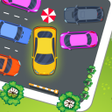
Pros: Arrow-guided movement adds a tactical layer to sliding-block puzzles. Swipe-based controls map directly to vehicle movement rules. Clean, minimalist graphics make board states easy to read. Progressive layouts introduce tight, thought-provoking arrangements.
Cons: Single core mode limits long-term variety. No narrative or campaign structure for extended engagement.
Pros: Merging feeds evidence and tools, tying puzzles to investigation. Atmospheric art and ambient audio reinforce the supernatural mood. Story chapters unlock distinct, memorable locations like Kisaragi Station.
Cons: Requires internet for new story updates and certain rewards. Age rating E10+ limits youngest audiences. Relies on order fulfillment as main progression mechanic.
Pros: Three distinct modes: Cards, Connections, Crossword, plus Blitz mode. Saga Map with over 900 levels across 13 themed worlds. Multilingual support for English, Arabic, French, and Spanish. Offline play and online backup via a unique restore code.
Cons: Hybrid design favors variety over deep single-mode crossword focus. Timed Blitz mode demands rapid recognition, challenging slow-paced players. Requires Android 7.0 or higher, limiting very old devices.
Pros: Combines match-three play with tray management for light strategy. Collectible food list rewards discovery and completion. Includes boosters to resolve tightly packed trays.
Cons: Single-session level focus limits broader gameplay modes. Progression centers on a single upgrade loop rather than varied systems. No multiplayer or co-op modes included.
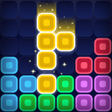
Pros: Diagonal matching expands tactical options beyond cardinal alignments. Touch-optimized controls enable quick, one-handed play. Vibrant light effects make matches feel satisfying. Regular content updates add new levels and challenges.
Cons: Contains advertisements that may interrupt session flow. No detailed audio design noted to complement visual effects.
Pros: Every puzzle has a single, deducible solution, no guessing required. Collection of 328 real-world breed cards with factual entries. Offline play and one-handed Android support for short sessions. Daily shared puzzle and companion skills add recurring goals.
Cons: No multiplayer modes beyond the shared daily puzzle. Progression depends on collecting and merging duplicate cards for higher rarity. Pet behaviors introduce complexity that raises the deduction burden in later levels.
Pros: Every level solvable by deduction, no guessing required. Sixty collectible dog breeds add long-term motivation. Dynamic rules and boss stages refresh logical challenges. Includes colorblind-friendly mode and offline play.
Cons: Single-player only, no competitive or cooperative modes. Progression depends on rule changes rather than new puzzle types.
Pros: Huge content volume with 596 handcrafted levels. Built-in level editor for creating and sharing community stages. Duels mode for racing recorded runs and rank progression. Offline play plus Google Play Games leaderboards and achievements.
Cons: Core loop depends heavily on fast timing and reflexes. Progression requires star collection to unlock new worlds.
Pros: Single-finger draw-to-park control for quick input. 3D environments with physics-based vehicle movement. Multiple vehicle sizes change routing decisions. Progressive levels that increase planning complexity.
Cons: High-stakes collisions mean one error can end a run. Contains advertisements or optional in-app elements. Positioned as a niche entry within parking puzzle offerings.
Pros: Energy mechanic turns puzzles into optimization challenges. Swipe controls designed for comfortable mobile play. Minimalist UI keeps focus on puzzle elements. Smooth arrow animations give clear motion feedback.
Cons: Energy limits can force repetitive retries on tougher puzzles. Source notes the game typically includes advertisements.
Pros: Hundreds of hand-crafted levels that scale complexity. Tap-to-rotate controls keep input simple and direct. Diverse ring types (D-rings, S-flex locks, triangular frames) vary puzzles. Offline play supports sessions without an internet connection.
Cons: User reports of frequent advertisements that interrupt sessions. Some advanced levels depend on boosters to complete challenges.
Pros: Art unlocks tied to level completion, building a visible gallery. Timing-based bucket release creates tactical, non-twitch puzzles. Fluid sand animations create a tactile, ASMR-style feedback loop.
Cons: No mention of competitive or timed multiplayer modes. Progression focuses on art reveals rather than difficulty spikes. Requires Android 8.0 or newer, excluding older devices.
Pros: Hybrid drop-and-jigsaw mechanic creates continuous board challenge. Large gallery of high-definition artwork for visual variety. No timers, supporting relaxed, stress-free sessions. Supports offline play for uninterrupted solving on Android devices.
Cons: No multiplayer or competitive modes included. Progression relies on daily content rather than structured campaigns.
Pros: Rope-and-tray mechanic changes how grouped moves behave. Over 300 levels provide long-term single-player content. Hints, undo, and extra rope options help unblock stuck players.
Cons: No multiplayer or competitive modes, single-player only. Progression depends on level-solving rather than additional content types. Aids are gated and must be unlocked rather than immediately available.
Pros: Uses high-definition moving video instead of static images. Adjustable piece counts for beginner and advanced players. Daily challenges and a personal gallery for saved progress.
Cons: Includes advertisements that can interrupt short puzzle sessions. In-app purchases required for some additional content. Motion-based solving raises the learning curve for static-puzzle fans.